MGA Faculty Q&A With Dr. Cindy Montgomery: Can You Trust What You See Online?
Author: Sheron Smith
Posted: Thursday, November 12, 2026 12:00 AM
Categories:
School of Arts and Letters | Pressroom | Faculty/Staff
Macon, GA
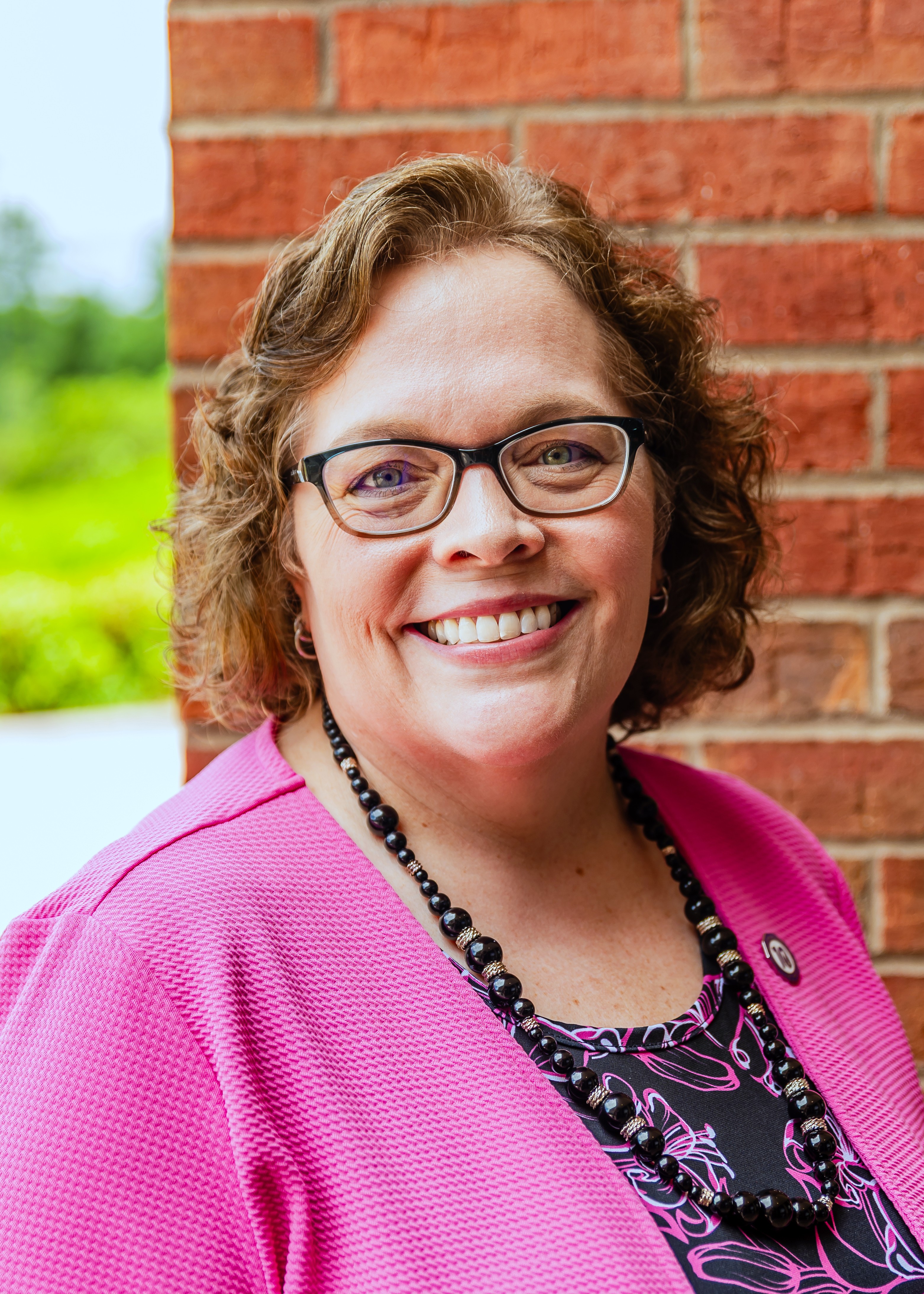
Dr. Cindy Montgomery
In a world where a photo can be manipulated, a video can be misleading, and a false story can spread across social media in minutes, how can you tell what’s real and what isn’t? In this faculty Q&A, Dr. Cindy Montgomery, assistant professor of media and communication, explains why misinformation spreads so easily, the warning signs to watch for before sharing online content, and why taking a moment to verify what you see can protect both your credibility and your reputation.
Why are misinformation and misleading content so effective at spreading on social media, even when the information isn't true?
In his book Contagious: Why Things Catch On, Jonah Berger presents a model that explains why content “goes viral” in general. It also applies to social media. He calls it the STEPPS Framework. The six principles include:
- Social currency – content that makes us appear knowledgeable to other people on social media.
- Triggers – topics or current issues that make us interested in a particular piece of information.
- Emotion – caring about other people or an issue or being angered by an issue.
- Public – content that’s made to be shared.
- Practical value – content that is helpful for us and will also be helpful for others.
- Stories – content that’s shared in the form of a good story.
- Combining these elements into a single piece of content makes us more likely to share it, even if it is misinformation.
I believe the most important element of Berger’s framework is emotion. We are more likely to share information that produces a strong, immediate emotional response. When this happens, we may share that content without taking the time to investigate whether the information is true. It’s an action we take in the heat of the moment because we’re angry or excited about what we’ve viewed, and we want to share it.
Content is often designed to produce a strong emotional response. This can be good, especially if you’re marketing a product or a service, but it can also cause misinformation to spread. It’s important that we all consider the validity and credibility of content before we share it. Plus, if you continually share misinformation, that could damage your reputation among your friends and colleagues. Why would they trust you for reliable information if you continue to share content they know is untrue?
What are some common red flags people should look for before sharing a news story, photo, or video with others?
Watch for posts that urge you to share immediately and tell you that time is running out. Don’t believe these statements! Just like phishing emails, there are content posters on social media who use these strategies to prey on emotions, encouraging people to share false information. When these predators do it, this is more than just misinformation. It’s disinformation because they know the content is not true, and they have malicious intentions.
Always check the source to determine whether the source is credible. Remember that when you share content, your reputation is now tied to that content. Do you really want to share content that may be misinformation? Check the source BEFORE you share. A simple web search will provide additional sources of that news. If that content appears nowhere else online, it’s very likely fake news. If the source is a social media account, don’t rely only on the information provided in that social media account. Search for that organization or person on other sites not owned by that organization to prove their legitimacy and their intention. If you cannot find them anywhere else, this is probably not a real organization or person. If that’s the case, DON’T share the content.
Even a credible media outlet will have a bias. Some media outlets are more prominent in their political bias than others. You need to be aware of that when sharing content from those sources because the content may have a political slant that’s more conservative or more liberal. Keep in mind that what you’re sharing may not tell the whole story. The best way to have a well-rounded view of an issue is to obtain information from a variety of sources. If you’re sharing content with others, make sure it’s content that uses a variety of sources to obtain that balance.
In the human communication and public speaking courses I teach, I invite Kristen Bailey of the MGA library to present a workshop she developed a few years ago with Dr. Christian Norman about media bias. Mrs. Bailey does a fantastic job using Ad Fontes’ Media Bias Chart (https://adfontesmedia.com/) to explain to students how media organizations have political biases and how students can be more informed news consumers. Students are amazed to learn how their favorite media outlets intentionally omit details or focus on specific details in news stories to maintain a specific political bias.
Finally, if you’re sharing someone’s opinion, make it clear what your stance is on that opinion. It’s easy for others to assume you agree with that opinion, so you need to be aware of that risk whenever you share an opinion piece.
If you could give people just one piece of advice for becoming more informed and discerning consumers of online information, what would it be?
Before sharing something, stop. Take the time to investigate the information you want to share. Look it up on other websites to verify whether it’s true. Then consider the implications for your personal and professional reputation before you share it.
Originally from Doerun, Ga., Dr. Cindy Montgomery joined Middle Georgia State University in August 2025. As an assistant professor of media and communication, she teaches courses in communication, public relations, newswriting, and social media. She also serves as adviser of The Statement, MGA’s student newspaper. Montgomery worked for several years as a newspaper journalist in Georgia and Wisconsin before embarking on a 24-year career in higher education marketing and communication. She holds a bachelor’s degree in English with a minor in journalism from Valdosta State University, a master’s degree in public health from Fort Valley State University, and a doctorate in communication from Regent University.